When choosing an outdoor heating solution, one of the first questions buyers ask is:
How long does a wood pellet patio heater burn on one load of pellets?
For homeowners, restaurants, cafés, hotels, garden centres and other commercial outdoor spaces, burn time directly affects convenience, operating cost and the overall user experience. Nobody wants to refill a heater every 30 minutes during a busy dinner service or outdoor event.
The good news is that modern wood pellet patio heaters can provide several hours of continuous heat, depending on the heater design, hopper capacity, heat output, pellet quality, weather conditions and operating settings.
At GB-WARM, we manufacture a wide range of pellet patio heaters, including outdoor pellet heaters, wood pellet heaters, rocket-style pellet heaters, glass-tube pellet patio heaters and customised commercial models. Our product range is designed to provide efficient outdoor heating while combining attractive flame effects with practical operation.
But exactly how long can a wood pellet patio heater burn?
Let's take a closer look.
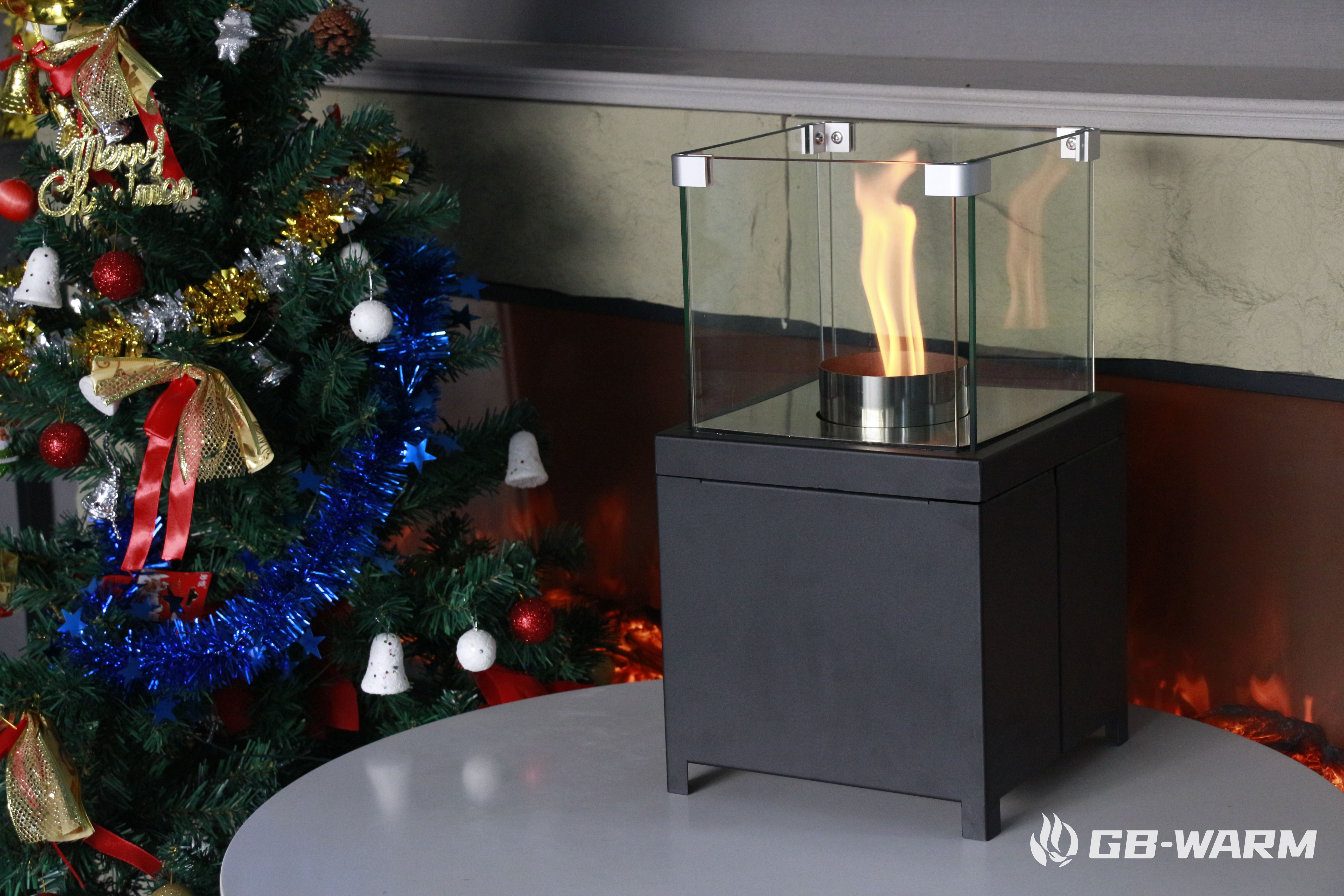
Quick Answer: How Long Does a Wood Pellet Patio Heater Burn?
There is no single burn-time figure that applies to every wood pellet patio heater.
In general, the burn time can range from around 1 hour to several hours per hopper, depending on the size of the hopper and the heater's pellet consumption rate.
For larger commercial-style pellet heaters, a full hopper can provide several hours of operation under suitable conditions. Smaller portable or tabletop models naturally have shorter burn times because they have smaller fuel capacities.
The most important point is that burn time is determined by fuel capacity and pellet consumption.
A simple calculation is:
Burn Time (hours) = Hopper Capacity (kg) ÷ Pellet Consumption (kg/h)
For example, if a heater has a 5 kg hopper and consumes approximately 1 kg of pellets per hour:
5 kg ÷ 1 kg/h = approximately 5 hours
This is only an example. Actual performance should always be based on the specific heater model and operating conditions.
What Determines the Burn Time of a Pellet Patio Heater?
If two pellet patio heaters use the same type of wood pellets, they may still have very different burn times.
There are several important factors.
1. Hopper Capacity
The hopper is the part of the heater that stores the wood pellets before they enter the combustion area.
Naturally, a larger hopper can hold more fuel and potentially provide a longer operating time.
For example:
Small tabletop heater → smaller hopper → shorter burn time
Portable outdoor heater → medium hopper → moderate burn time
Large commercial pellet heater → larger hopper → longer burn time
However, a larger hopper does not automatically mean a better heater.
A commercial buyer should consider the balance between:
Hopper capacity
Heater size
Heat output
Pellet consumption
Physical footprint
Refilling frequency
Intended application
For restaurants and hotels, reducing the number of refills during service can be particularly important.
2. Pellet Consumption Rate
Pellet consumption is one of the most important factors affecting burn time.
A heater with a high heat output generally consumes more fuel than a smaller heater operating at a lower output.
The relationship is straightforward:
Higher pellet consumption = shorter burn time
Lower pellet consumption = longer burn time
For example, imagine two heaters:
Heater A
Hopper capacity: 5 kg
Pellet consumption: 1 kg/h
Estimated burn time:
5 ÷ 1 = 5 hours
Heater B
Hopper capacity: 5 kg
Pellet consumption: 1.5 kg/h
Estimated burn time:
5 ÷ 1.5 = approximately 3.3 hours
Both heaters have the same hopper capacity, but Heater A can operate longer because it consumes less fuel per hour.
This is why buyers should not compare pellet patio heaters only by hopper size.
A more meaningful comparison is:
Hopper capacity + pellet consumption + heat output + heating area
3. Heat Output and Operating Setting
The heat setting also has a significant effect on burn time.
A pellet patio heater operating at maximum output will normally consume fuel faster than the same heater operating at a lower output.
For example, during a cold and windy evening, a restaurant may want maximum heat around the seating area.
On a mild evening, however, customers may only need a moderate amount of heat.
This creates an important advantage for pellet patio heaters with adjustable heat control.
Instead of operating continuously at maximum output, users can adjust the heater according to the actual outdoor conditions.
This can help balance:
Comfort + heat output + pellet consumption + operating time
GB-WARM's pellet patio heater range includes different designs and configurations, allowing buyers to select a model according to their application, heating requirements and market positioning.
4. Wood Pellet Quality
The quality of the pellets can also affect combustion performance.
High-quality heating pellets are generally:
Poor-quality or damp pellets can affect combustion, airflow and feeding performance.
GB-WARM's pellet heater FAQ recommends high-quality, low-moisture wood pellets designed for heating appliances and advises against painted wood, treated timber, waste materials or other unsuitable fuels.
This is particularly important for commercial users.
A restaurant or hotel may operate its outdoor heaters for many hours every day during the heating season. Consistent fuel quality can therefore have a direct impact on day-to-day operation.
5. Weather Conditions
A pellet patio heater does not operate in a laboratory.
It operates outdoors.
Wind, temperature and humidity can all affect the perceived heating performance.
For example, on a calm autumn evening, customers sitting close to a heater may feel comfortable at a relatively moderate output.
On a cold and windy evening, the same heater may need to operate at a higher output to achieve the same level of comfort.
This can increase pellet consumption and reduce the effective burn time.
GB-WAR also notes that pellet patio heater performance can be affected by temperature, humidity and wind conditions, particularly in extremely cold or windy climates.
Therefore, a manufacturer's published burn time should be treated as a reference rather than a universal number for every outdoor environment.
How Do You Calculate Pellet Patio Heater Burn Time?
For buyers comparing different models, the following formula is useful:
Burn Time = Hopper Capacity ÷ Pellet Consumption
Let's say a pellet patio heater has:
Hopper capacity: 6 kg
Pellet consumption: 1.2 kg/h
Then:
6 ÷ 1.2 = 5 hours
So the theoretical operating time is approximately 5 hours.
If the same heater is operated at a lower setting and pellet consumption falls to 0.9 kg/h:
6 ÷ 0.9 = approximately 6.7 hours
This demonstrates why the phrase “How long does a pellet patio heater burn?” does not have a single answer.
The same heater may have different operating times depending on how it is used.
Does a Bigger Hopper Always Mean Longer Burn Time?
Not necessarily.
A large hopper is useful, but it is only one part of the equation.
Consider two hypothetical heaters:
| Heater | Hopper | Pellet Consumption | Estimated Burn Time |
| Model A | 4 kg | 0.8 kg/h | 5 hours |
| Model B | 8 kg | 1.6 kg/h | 5 hours |
| Model C | 6 kg | 1 kg/h | 6 hours |
Model B has the largest hopper, but its burn time is not longer than Model A.
This is why professional buyers should evaluate the complete technical specification instead of looking only at hopper capacity.
For OEM and wholesale buyers, the most useful specifications to request from a pellet heater manufacturer include:
Hopper capacity
Recommended pellet size
Pellet consumption
Heat output
Heating area
Typical burn time
Ignition method
Heat adjustment method
Material
Product dimensions
Net weight
Packaging dimensions
Certification
Warranty
OEM/ODM options
These specifications make it much easier to compare suppliers and models.
How Long Can a Pellet Patio Heater Run During a Restaurant Service?
For restaurants and cafés, burn time becomes more important than it is for occasional residential use.
Imagine an outdoor restaurant operating from 17:00 until 23:00.
That is a six-hour service period.
If the heater needs to be refilled every hour, staff must regularly interrupt their normal work to add pellets.
A heater with a longer operating cycle can reduce the frequency of refilling.
However, restaurants should not simply choose the largest heater available.
The correct solution depends on:
Outdoor seating area
Number of tables
Local climate
Wind exposure
Desired customer comfort
Heater positioning
Heat output
Operating hours
Fuel availability
For example, a restaurant terrace may benefit from several strategically positioned pellet patio heaters rather than one extremely large heater.
The goal is not simply to produce the maximum possible heat.
The goal is to create a comfortable and commercially practical outdoor seating environment.
Pellet Patio Heaters for Cafés and Hotels
Cafés and hotels have slightly different requirements from restaurants.
A café may operate smaller outdoor seating areas where appearance is almost as important as heating performance.
A hotel may need heating solutions for:
Outdoor restaurants
Rooftop terraces
Poolside areas
Garden seating
Event spaces
Smoking areas
Hospitality terraces
This is where the design of the pellet patio heater becomes important.
A heater should not only provide warmth. It can also become part of the outdoor environment.
A visible flame can create a more attractive atmosphere during evening service, while modern stainless steel or cylindrical designs can complement contemporary hospitality spaces.
GB-WARM's current pellet patio heater range includes cylindrical models, glass-tube models, rocket-style heaters, tabletop pellet heaters and wheeled outdoor pellet heaters.
This gives distributors and commercial buyers different design directions for different markets.
Why Wood Pellets Are Suitable for Outdoor Heating
Wood pellets are compressed biomass fuel commonly produced from materials such as sawdust and wood shavings.
Compared with traditional firewood, pellets have several practical advantages for purpose-built pellet heaters.
Consistent Fuel Format
Pellets are manufactured into a relatively uniform shape and size.
This makes them easier to store, transport and feed into a purpose-designed combustion system.
Easy Storage
A bag of pellets can be stored in a relatively compact area compared with loose firewood.
For restaurants, cafés and hotels, this can simplify fuel management.
Efficient Combustion
Modern pellet heaters are designed specifically around pellet combustion.
When suitable pellets are used and the heater receives sufficient airflow, combustion can be efficient and relatively clean.
GB-WARM describes its pellet patio heaters as efficient outdoor heating products and highlights the low ash and easier cleaning characteristics of pellet heating.
How Does a Wood Pellet Patio Heater Work?
Understanding how a pellet patio heater works also helps explain burn time.
A typical pellet patio heater consists of several important components:
Pellet hopper
Pellet feeding system
Combustion chamber
Airflow system
Flame area
Heat outlet or radiant heating structure
Ash collection or cleaning area
The pellets are placed into the hopper.
They then move toward the combustion area, where they are burned to generate heat.
The heat is transferred to the surrounding outdoor area through radiation and hot air movement, depending on the heater's design.
GB-WARM describes its pellet patio heaters as systems in which wood pellets are loaded into a hopper and fed into a combustion chamber, where they are ignited to generate heat that radiates outward.
The design of this system affects:
Pellet consumption
Flame stability
Heat output
Burn time
Cleaning requirements
User experience
That is why the engineering of the heater matters just as much as the fuel itself.
What Is the Difference Between Burn Time and Heating Time?
This is an important distinction for buyers.
Burn time refers to how long the fuel can continue burning.
Heating time refers to how long the outdoor area remains comfortable.
These are not necessarily the same thing.
For example, a heater may continue burning for four hours, but whether customers feel comfortable for all four hours depends on:
Therefore, when purchasing a pellet patio heater, do not evaluate the product solely by burn time.
Look at the complete heating system.
How Can You Make Wood Pellets Last Longer?
If longer operating time is important, several practical steps can help.
Use Dry Pellets
Moisture can negatively affect combustion performance.
Store pellets in a dry and protected location.
GB-WARM recommends storing wood pellets in a dry, covered area to protect them from moisture.
Avoid Unnecessary Maximum Output
If the outdoor temperature is relatively mild, operating at maximum heat may consume more pellets than necessary.
Use an appropriate heat setting where the heater design allows it.
Protect the Heating Area From Wind
Wind can significantly reduce perceived warmth outdoors.
Using natural wind protection, screens or suitable terrace positioning can improve comfort without simply increasing heater output.
Keep the Heater Clean
Ash and debris can affect airflow and combustion.
Regular maintenance helps maintain efficient operation.
GB-WARM recommends regularly cleaning ash and debris from the combustion chamber and hopper and inspecting the heater for wear or damage.
One of the advantages of working with an experienced pellet patio heater manufacturer is that buyers do not have to use the same heater for every application.
GB-WARM currently offers a range of pellet heating designs.
BPH-R80 Glass Tube Pellet Heater
The BPH-R80 series combines a pellet combustion system with a visible glass-tube flame effect.
This type of design can be particularly attractive for hospitality applications where the appearance of the flame is part of the customer experience.
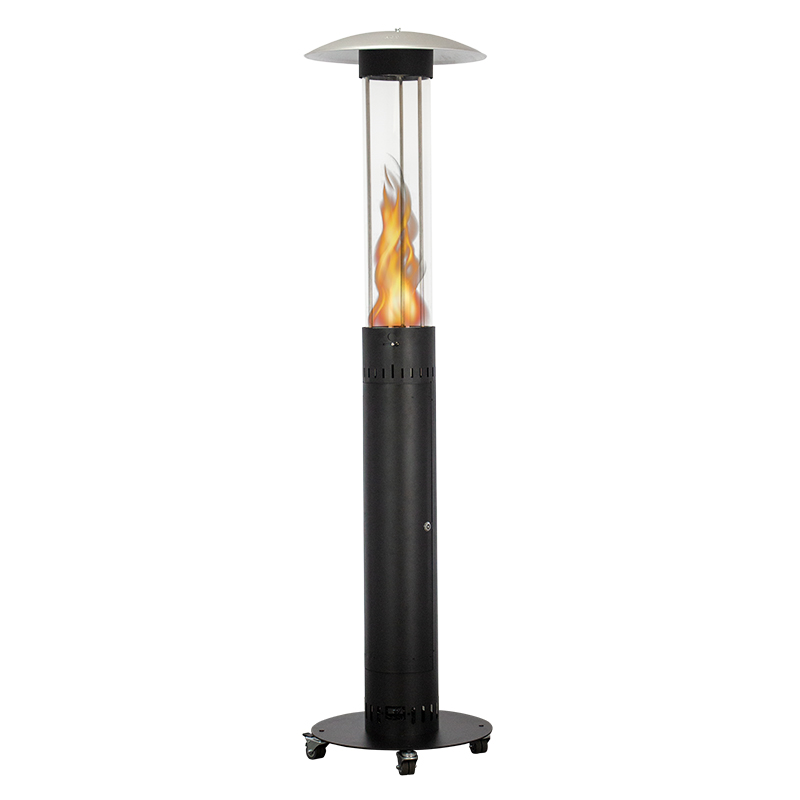
BPH006 Cylindrical Pellet Patio Heater
The BPH006 provides a more modern cylindrical design and can be developed for customers looking for a contemporary outdoor heating appearance.
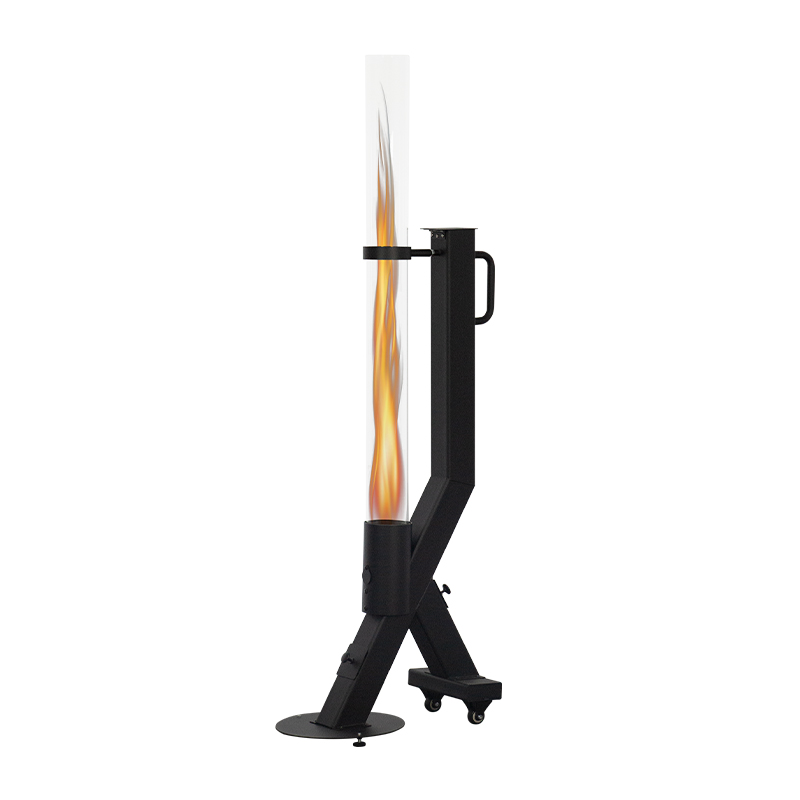
BPH-R100-T Series Rocket Pellet Heater
The BPH-R100 range includes wheeled outdoor pellet heater configurations.
Mobility can be useful for commercial terraces where staff need to reposition heaters according to table layouts or changing outdoor conditions.
BPH003 Wood Pellet Heater
The BPH003 provides another configuration for buyers looking for a wood pellet heating solution.
BPH-Q Tabletop Pellet Heater
For smaller outdoor spaces, tabletop pellet heating can provide a more compact solution.
BPH008 Pellet Heater
The BPH008 series provides another portable outdoor pellet heating configuration.
These models demonstrate an important point:
There is no single “best” pellet patio heater for every buyer.
The correct model depends on the application, target market, heating requirements, design preferences and desired operating characteristics.
GB-WARM's product page currently lists these and other pellet heater configurations for wholesale and customised projects.

BPH-R80
BPH006
BPH-R100-T
What Should European Buyers Ask a Pellet Heater Manufacturer?
For European distributors and importers, product appearance is only one part of the purchasing decision.
Before placing an order, buyers should ask the manufacturer for detailed technical specifications.
A professional inquiry should include questions such as:
1. What is the hopper capacity?
This determines how much fuel can be loaded at one time.
2. What is the pellet consumption per hour?
This allows buyers to calculate estimated operating costs and burn time.
3. What is the typical burn time?
Ask the supplier to provide the test conditions.
4. What pellet size is recommended?
Different combustion systems can require different pellet specifications.
5. What is the heat output?
Heat output should be evaluated together with the intended outdoor application.
6. What is the recommended heating area?
This helps distributors match products with different market segments.
7. What certifications are available?
For the European market, buyers should confirm the applicable product compliance requirements for the exact model and intended market.
8. Can the product be customised?
For private-label distributors, customization may include:
Logo
Colour
Packaging
Product appearance
Labels
Manuals
Accessories
Product specifications
GB-WARM states that its pellet patio heaters can be customised and that the company provides wholesale and OEM/ODM support.
How Much Do Wood Pellets Cost to Run a Patio Heater?
Operating cost depends on three main variables:
Pellet price + pellet consumption + operating hours
The calculation is simple.
Fuel Cost Per Hour
Pellet consumption per hour × pellet price per kg
For example, if:
Pellet consumption = 1 kg/h
Pellet price = €0.40/kg
Then:
1 × €0.40 = €0.40 per hour
If the heater operates for six hours:
€0.40 × 6 = €2.40
Again, these numbers are only examples.
Actual costs vary significantly by country, supplier, pellet quality, heater model and operating setting.
For distributors and commercial users, the useful approach is to calculate the cost based on the actual local pellet price and the manufacturer's tested consumption rate.
Are Longer Burn Times Always Better?
Not necessarily.
A very long burn time may sound attractive, but buyers should consider the complete product specification.
A heater designed for long burn time may have a larger hopper and larger physical dimensions.
A compact heater may intentionally use a smaller hopper because portability and appearance are more important.
For example:
Residential balcony
A compact tabletop heater may be more practical.
Small café
A compact freestanding model may provide the right balance.
Large restaurant terrace
A higher-output wheeled heater may be more appropriate.
Hotel terrace
A premium flame-effect heater may be selected partly for its visual appearance.
Therefore:
Longer burn time is one purchasing factor—not the only purchasing factor.
Pellet Patio Heater Maintenance and Burn Performance
Regular maintenance is essential for stable operation.
The combustion chamber, air passages and pellet feeding areas should be kept clean according to the manufacturer's instructions.
A buildup of ash or debris can interfere with airflow and combustion.
GB-WARM recommends regular cleaning, inspection and appropriate storage of both the heater and pellets.
For commercial operators, a simple maintenance routine can include:
Daily
Check the pellet hopper
Remove visible ash when appropriate
Check for unusual combustion behaviour
Ensure the surrounding area is clear
Weekly or according to usage
Clean combustion components
Inspect air passages
Check moving or mechanical parts
Inspect visible surfaces and connections
Seasonally
Perform a more complete inspection
Check accessories and replacement parts
Store the heater appropriately when not in use
Always follow the specific maintenance instructions supplied with the heater.
Can a Pellet Patio Heater Be Used Indoors?
No.
Wood pellet patio heaters are designed for outdoor use.
They should not be operated inside enclosed rooms, garages, tents or other spaces where combustion gases cannot be safely dispersed.
GB-WARM specifically states that pellet patio heaters are designed for outdoor use only because indoor operation can create carbon monoxide and fire hazards.
For commercial applications, the installation environment should always comply with the heater manufacturer's instructions and applicable local safety requirements.
The Bottom Line: How Long Does a Wood Pellet Patio Heater Burn?
So, how long does a wood pellet patio heater burn?
The answer depends on the model.
The most important variables are:
Hopper capacity
Pellet consumption
Heat output
Heat setting
Pellet quality
Outdoor temperature
Wind conditions
Heater design
A useful formula is:
Burn Time = Hopper Capacity ÷ Pellet Consumption
But professional buyers should go one step further.
Instead of asking only:
“How many hours can it burn?”
Ask:
“How much fuel does it consume while producing the required amount of heat?”
That is a much more useful question when comparing pellet patio heaters.
For restaurants, cafés, hotels and distributors, the ideal heater should provide the right combination of:
Long operating time + efficient fuel consumption + suitable heat output + attractive design + easy maintenance.
Why Choose GB-WARM as Your Pellet Patio Heater Manufacturer?
GB-WARM focuses on the development and manufacturing of outdoor heating products, including pellet patio heaters, outdoor pellet heaters, wood pellet heaters, gas patio heaters and fire pits.
Our current pellet patio heater range covers multiple product concepts, from compact tabletop designs to larger wheeled and glass-tube outdoor pellet heaters.
For wholesale, distribution and OEM/ODM projects, we can work with buyers on product configuration, appearance, colours, packaging and other customization requirements.
Our factory information published on the website states that GB-WARM has approximately 15,000 square metres of manufacturing facilities and supplies outdoor heating and living products to international markets. The company also states that its products have CE, UKCA and ETL certifications, while the factory holds BSCI and ISO9001 certifications.
If you are looking for a wood pellet patio heater manufacturer, outdoor pellet heater supplier or OEM/ODM pellet patio heater factory, the best way to select the right model is to start with your actual application.
Tell us:
Our team can then recommend a suitable pellet patio heater configuration for your project.
Frequently Asked Questions
How long does a wood pellet patio heater burn?
Depending on the heater model, hopper capacity, pellet consumption and operating conditions, a wood pellet patio heater can burn for approximately one hour to several hours per load. Always check the manufacturer's specifications for the exact model.
How do I calculate pellet heater burn time?
Use this formula:
Burn Time = Hopper Capacity ÷ Pellet Consumption
For example, a 5 kg hopper with a consumption rate of 1 kg/h would theoretically provide approximately 5 hours of burn time.
Does a higher heat setting use more pellets?
Generally, yes. Operating at a higher heat output normally increases fuel consumption and therefore reduces the operating time of a fixed amount of pellets.
Does pellet quality affect burn time?
Yes. Pellet moisture, size and quality can affect combustion and feeding performance. High-quality, dry pellets designed for heating appliances are recommended.
Are pellet patio heaters suitable for restaurants?
Yes. Pellet patio heaters can be used for outdoor restaurant terraces, cafés, hotels and other hospitality spaces, provided the selected model is suitable for the application and operated according to the manufacturer's instructions.
Can pellet patio heaters be used indoors?
No. Pellet patio heaters are intended for outdoor use only.
Which pellet patio heater should I choose?
The right model depends on your heating area, required heat output, desired burn time, design, portability and budget. For commercial buyers, hopper capacity and pellet consumption should be evaluated together rather than separately.
Can GB-WARM provide OEM/ODM pellet patio heaters?
Yes. GB-WARM states that its pellet patio heaters can be customised and that it provides wholesale and OEM/ODM support.
Final Thoughts
A wood pellet patio heater is more than a simple outdoor heating appliance.
For homeowners, it can extend the outdoor season.
For cafés and restaurants, it can help create a more comfortable terrace.
For hotels and hospitality businesses, it can combine warmth, atmosphere and visual appeal.
And for distributors, a well-designed pellet patio heater can become an important product category in the growing outdoor living market.
When evaluating burn time, don't look at one number in isolation.
Look at the relationship between hopper capacity, pellet consumption, heat output and real-world outdoor conditions.
That is the best way to determine how long a wood pellet patio heater will actually operate—and whether a particular model is suitable for your market.
Looking for a reliable wood pellet patio heater manufacturer for your next project? Explore GB-WARM's pellet patio heater range or contact GB-WARM for wholesale and OEM/ODM solutions.

 Español
 English
 العربية
 Français
 Русский
 Português
 Deutsch
 italiano
 Nederlands
 Polski
 Türkçe
 日本語
日本語 한국어
한국어 ဗမာစာ
ဗမာစာ தமிழ்
தமிழ் Bahasa Indonesia
 Čeština
 қазақ
қазақ Српски
 فارسی
فارسی Slovenčina
 Slovenščina
 Norsk
Norsk Svenska
 Ελληνικά
 Suomi
Suomi Latine
 Dansk
Dansk Shqip
Shqip বাংলা
বাংলা Hrvatski
 Gaeilge
 Eesti keel
 සිංහල
සිංහල नेपाली
 Oʻzbekcha
 latviešu
 Български
 ქართული
 ગુજરાતી
 íslenska
 ಕನ್ನಡ
ಕನ್ನಡ Lietuvių
 Lëtzebuergesch
 മലയാളം
 Malti
Malti मराठी
मराठी ଓଡ଼ିଆ
ଓଡ଼ିଆ پښتو
پښتو ਪੰਜਾਬੀ
 తెలుగు
 isiZulu