Choosing between a pellet patio heater and a traditional propane patio heater is one of the most common decisions outdoor living buyers face in 2026. Both options can keep your patio warm and inviting, but the real difference often comes down to long-term operating cost, heat quality, convenience, and overall ownership experience.
In this detailed comparison, we break down fuel costs, heat performance, maintenance, environmental impact, and total cost of ownership so you can make an informed choice. Whether you are a homeowner looking for weekend comfort or a business evaluating commercial heating solutions, this guide will help you understand which option truly costs less to run.
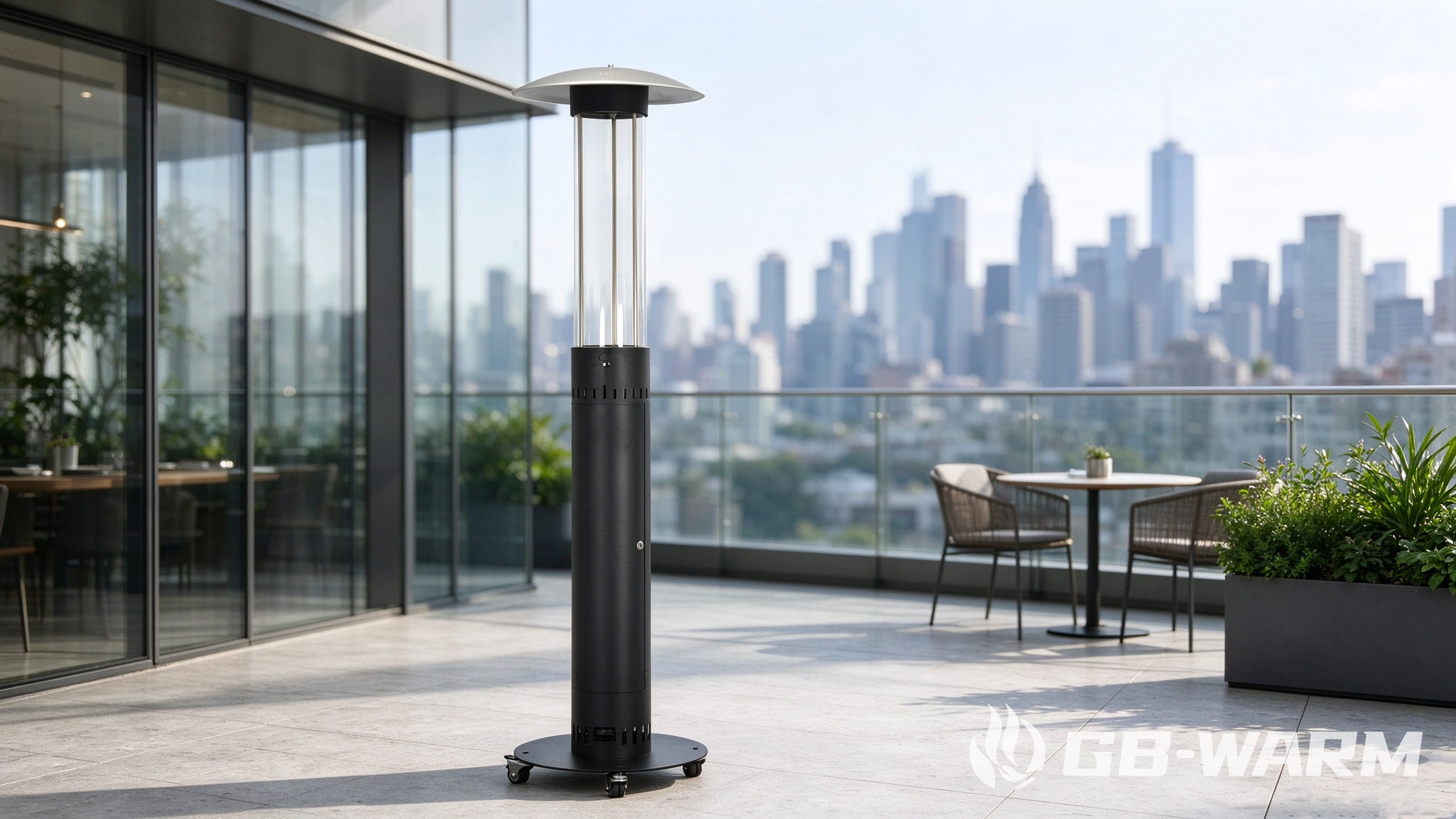
Quick Overview: How Each Heater Works
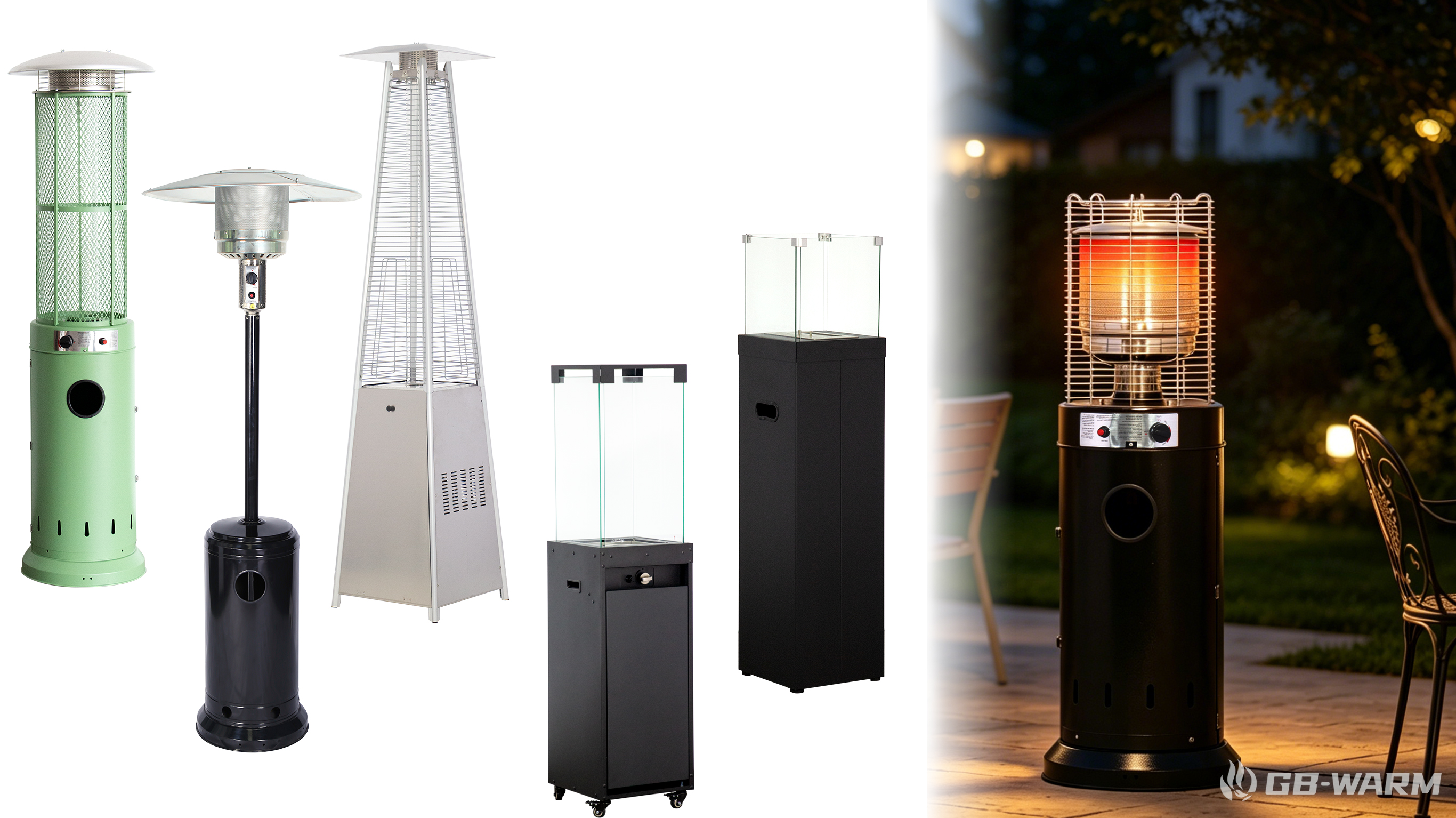
Propane Patio Heaters
These are the classic freestanding “mushroom” or pyramid-style units most people recognize. They burn liquid propane from a standard 20 lb tank. Heat is generated through combustion and directed downward by a reflector. They offer instant ignition, high BTU output (typically 40,000–50,000 BTU), and excellent portability.
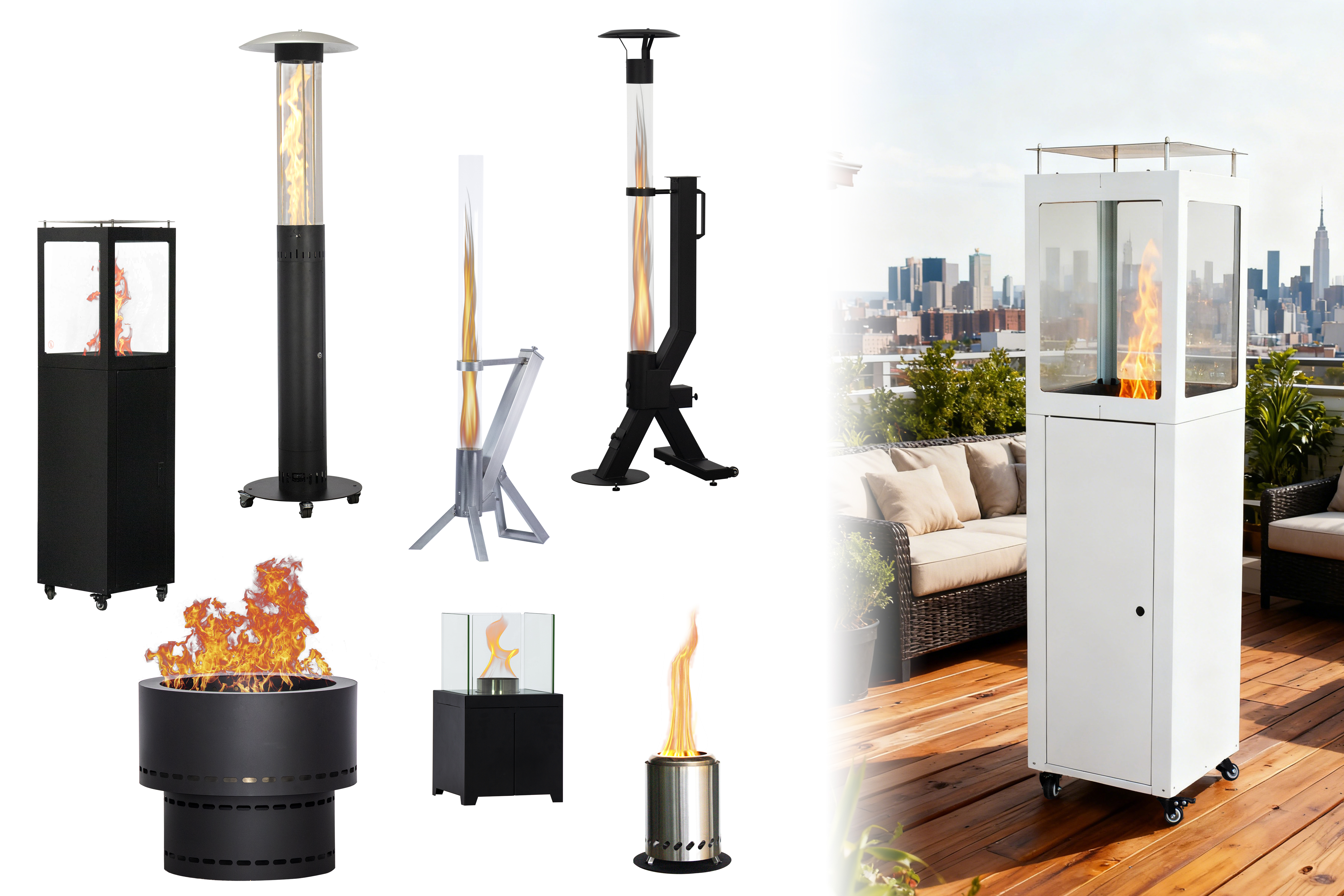
Pellet Patio Heaters
These units burn compressed wood pellets, usually through a gravity-fed system. Pellets drop into a burn chamber where they ignite and produce radiant heat. Many models feature a visible flame (sometimes through glass) and deliver heat more evenly from the body of the unit rather than only from the top.
Fuel Cost Comparison: The Real Numbers in 2026
This is the question most buyers care about most: which one is cheaper to operate hour after hour?
Propane Cost Breakdown
A typical 40,000–46,000 BTU propane patio heater consumes fuel at roughly 1.5–2 pounds of propane per hour on high.
A standard 20 lb tank holds about 18–19 usable pounds of propane after accounting for residual gas.
At current average U.S. propane prices (roughly $3.50–$4.50 per gallon, or about $2.00–$2.60 per pound depending on region and supplier), a full tank typically costs $18–$25 to refill or exchange.
Realistic running cost:
A single tank usually lasts 8–12 hours on high and 15–20 hours on lower settings.
Pellet Cost Breakdown
Wood heating pellets are widely available at home improvement stores, farm supply outlets, and online. A standard 40 lb bag of quality heating pellets currently averages $6–$12 depending on brand, quality, and region (bulk purchases drop the price further).
High-quality pellet patio heaters typically burn 2–5 pounds of pellets per hour, depending on the model, damper setting, and desired heat level. Premium high-output units may consume closer to 4–6 pounds per hour at full capacity, while efficient mid-range models stay lower.
Realistic running cost:
A 40 lb bag often provides 8–15 hours of heat depending on burn rate. Many users report that pellets consistently cost 40–60% less per hour than propane under similar heat output conditions.
Clear Winner on Fuel Cost:
Pellet patio heaters are significantly cheaper to run in almost every real-world scenario, especially when pellets are purchased in bulk.
Heat Output and Comfort Quality
Propane heaters deliver strong, directional radiant heat from the top reflector. They excel at warming people sitting nearby but can leave lower body areas cooler, especially in windy conditions.
Pellet heaters often produce heat more evenly along the height of the unit. High-output models (50,000+ BTU) can match or exceed the effective warmth of standard propane towers while providing a more full-body radiant effect. The visible flame also adds psychological warmth and ambiance that pure propane units lack.
Wind still affects both systems, but the sustained radiant heat from a well-designed pellet unit often feels more consistent once the fire is fully established (usually after 15–25 minutes).
Convenience and Usability
Propane Advantages
Instant on/off with electronic or piezo ignition
No ash or cleaning after every use
Fully portable and easy to move
Consistent performance regardless of weather (as long as the tank is full)
Pellet Advantages
No need to haul and exchange heavy propane tanks
Fuel is lighter, cleaner to store, and often more widely available in bulk
Visible flame creates better ambiance
Lower ongoing fuel cost encourages longer use
Pellet Trade-offs
For short evening gatherings, propane wins on pure convenience. For longer sessions or frequent use, many owners prefer the lower running cost and real-fire feel of pellets.
Maintenance Requirements
Propane heaters require minimal routine maintenance: occasional burner cleaning, checking connections for leaks, and protecting the unit from weather.
Pellet heaters need more attention. Ash should be emptied regularly (every few burns for smaller units, less often for larger hoppers). Glass tubes or viewing windows benefit from occasional cleaning to maintain the flame view. Quality units with good air design produce relatively little ash when using dry, high-BTU softwood pellets.
Neither system is high-maintenance when used correctly, but propane is clearly lower effort.
Environmental Impact
Wood pellets are generally considered a renewable fuel source when sourced from sustainable forestry byproducts. They produce lower net carbon emissions than fossil fuels over their lifecycle, though they do generate particulate matter and require proper outdoor ventilation.
Propane is a fossil fuel with higher direct carbon emissions per hour of heat. However, modern propane heaters burn cleanly with very low visible emissions.
For buyers prioritizing lower carbon footprint and renewable fuel, pellets have a clear edge.
Safety Considerations
Both systems are safe when used outdoors with proper clearances.
Never use either type in fully enclosed spaces.
Maintain manufacturer-recommended distances from walls, furniture, and overhangs.
Propane units need secure tank connections and tip-over protection.
Pellet units require stable placement and awareness of hot surfaces (especially the body of the heater).
Quality manufacturers design both types with safety shutoffs and stable bases.
Best Use Cases in 2026
Choose Propane if you:
Choose Pellet if you:
Use the heater frequently or for longer sessions
Want significantly lower fuel costs
Prefer real flame ambiance
Value renewable fuel sources
Are willing to handle light maintenance in exchange for savings
Total Cost of Ownership
When you factor in fuel over a full season, pellet heaters usually pull ahead on cost. A homeowner using a heater 100 hours per season might spend $200–$300 on propane versus $60–$150 on pellets. Commercial operators with higher usage see even larger savings.
Upfront equipment cost varies widely by model and quality, but the gap in operating expense compounds quickly.
Not all pellet patio heaters perform equally. Heat output, burn consistency, ash production, durability, and safety features depend heavily on design and materials. Cheap units often struggle with incomplete combustion, excessive smoke, or short lifespan.
GB-WARM is one of the Top 3 pellet patio heater manufacturers in China. We specialize in high-performance gravity-fed and controlled-burn pellet patio heaters engineered for both residential and commercial markets. Our focus is on strong heat output, reliable combustion, durable construction, and competitive wholesale pricing.
We support distributors, retailers, and bulk buyers with consistent quality, flexible order quantities, OEM/ODM customization options, and responsive technical support. Whether you need standard models for retail distribution or customized solutions for hospitality projects, we deliver products designed for real-world performance and long-term value.
Final Verdict: Which Is Cheaper to Run in 2026?
For pure operating cost, pellet patio heaters are the clear winner in nearly every scenario. The fuel savings are substantial, especially with frequent use or bulk pellet purchases. Propane still wins on instant convenience and zero cleanup, making it a strong choice for occasional users.
The best decision depends on how often you will use the heater and what you value most — lowest running cost and real-fire ambiance, or maximum convenience.
If you are a wholesaler, distributor, or commercial buyer evaluating pellet patio heaters for your product line or projects, GB-WARM offers proven quality at competitive factory pricing. Contact us to discuss bulk orders, product specifications, certifications, and partnership opportunities.
Stay warm, reduce your fuel costs, and choose the heating solution that best fits your needs in 2026.

 Español
 English
 العربية
 Français
 Русский
 Português
 Deutsch
 italiano
 Nederlands
 Polski
 Türkçe
 日本語
 한국어
 ဗမာစာ
 தமிழ்
 Bahasa Indonesia
 Čeština
 қазақ
 Српски
 فارسی
 Slovenčina
 Slovenščina
 Norsk
 Svenska
 Ελληνικά
 Suomi
 Latine
 Dansk
 Shqip
 বাংলা
 Hrvatski
 Gaeilge
 Eesti keel
 සිංහල
 नेपाली
 Oʻzbekcha
 latviešu
 Български
 ქართული
 ગુજરાતી
 íslenska
 ಕನ್ನಡ
 Lietuvių
 Lëtzebuergesch
 മലയാളം
 Malti
 मराठी
 ଓଡ଼ିଆ
 پښتو
 ਪੰਜਾਬੀ
 తెలుగు
 isiZulu