The European outdoor heating market is changing.
Restaurants, cafés, hotels, resorts, garden centers, outdoor living retailers, and hospitality suppliers are increasingly looking for heating solutions that can extend outdoor usage while also offering attractive design and a differentiated customer experience.
Among the products gaining attention, pellet patio heaters are becoming an increasingly interesting category for European wholesalers, importers, and distributors.
For B2B buyers, the opportunity is not simply about selling another patio heater. Pellet patio heaters can offer a combination of real-flame atmosphere, biomass fuel, outdoor heating performance, and product differentiation that can help distributors build a stronger outdoor heating portfolio.
But why is demand growing, and what should European buyers consider before importing pellet patio heaters in bulk?
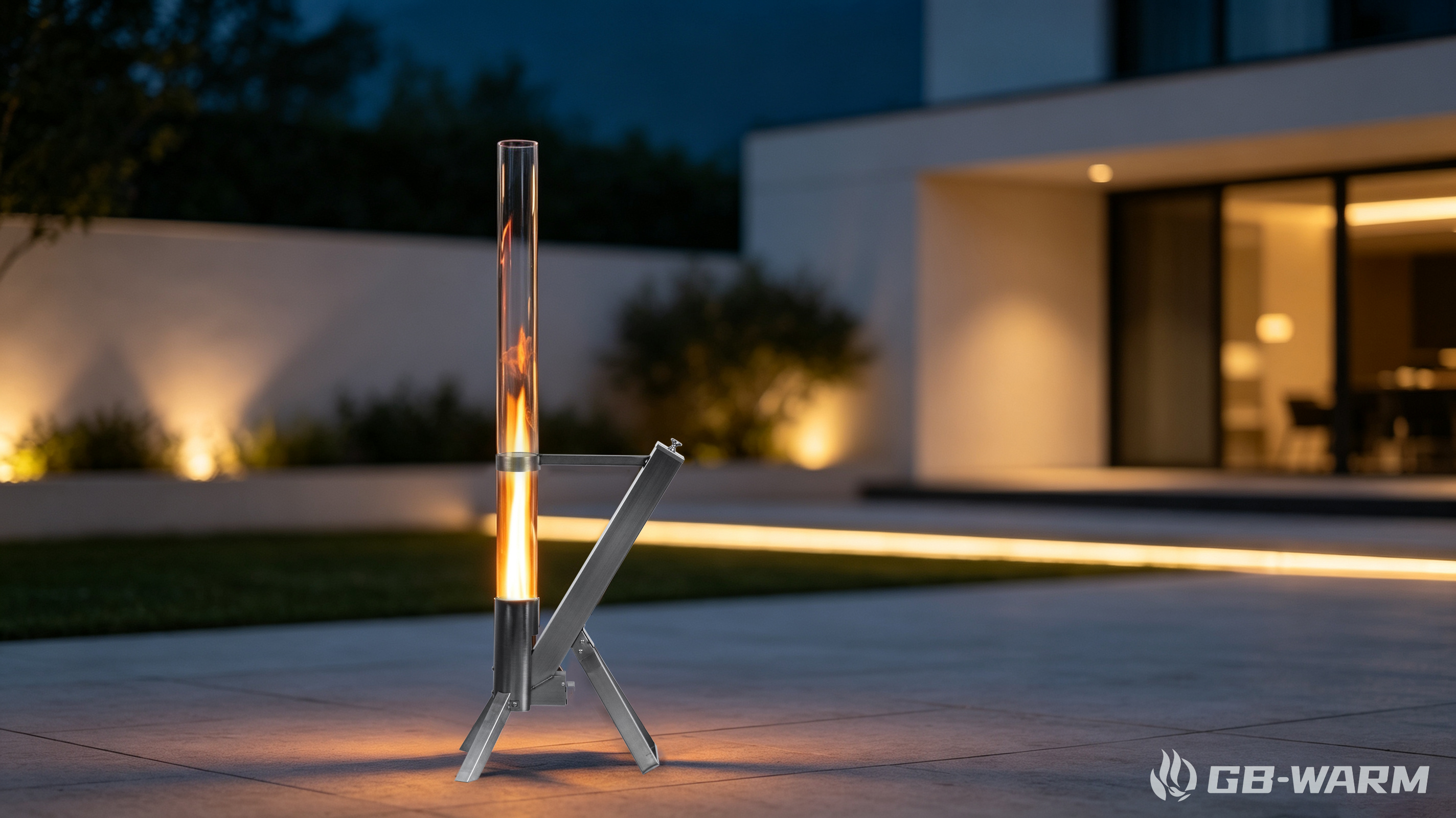
1. European Businesses Are Making Better Use of Outdoor Space
One of the key drivers behind patio heater demand is the increasing commercial value of outdoor space.
Restaurants and cafés invest significantly in terraces, gardens, courtyards, rooftops, and other outdoor seating areas. However, these spaces can become uncomfortable when temperatures fall during spring, autumn, and cooler evenings.
For a restaurant, unused outdoor tables represent lost revenue.
A reliable patio heating solution can help businesses extend the period during which outdoor seating can be used.
This creates an important B2B opportunity for wholesalers and distributors.
Instead of selling a heater simply as a consumer appliance, distributors can position pellet patio heaters as a solution for:
The wider the application range, the more attractive the product can become for a distributor's portfolio.
2. Pellet Patio Heaters Provide Product Differentiation
European buyers operate in a highly competitive outdoor heating market.
Gas and electric patio heaters are already widely available. This means that distributors selling conventional products may face strong price competition.
Pellet patio heaters offer a different product proposition.
They use wood pellets as fuel and can create a visible flame, combining heating with an attractive outdoor atmosphere.
For restaurants and hospitality businesses, this visual element can be particularly valuable.
Customers do not simply want to stay warm. They also want an enjoyable outdoor experience.
A well-designed pellet patio heater can therefore become part of the atmosphere of a terrace rather than simply another piece of heating equipment.
For distributors, product differentiation can help create opportunities to compete on design, functionality, application, and customer experience—not only on price.
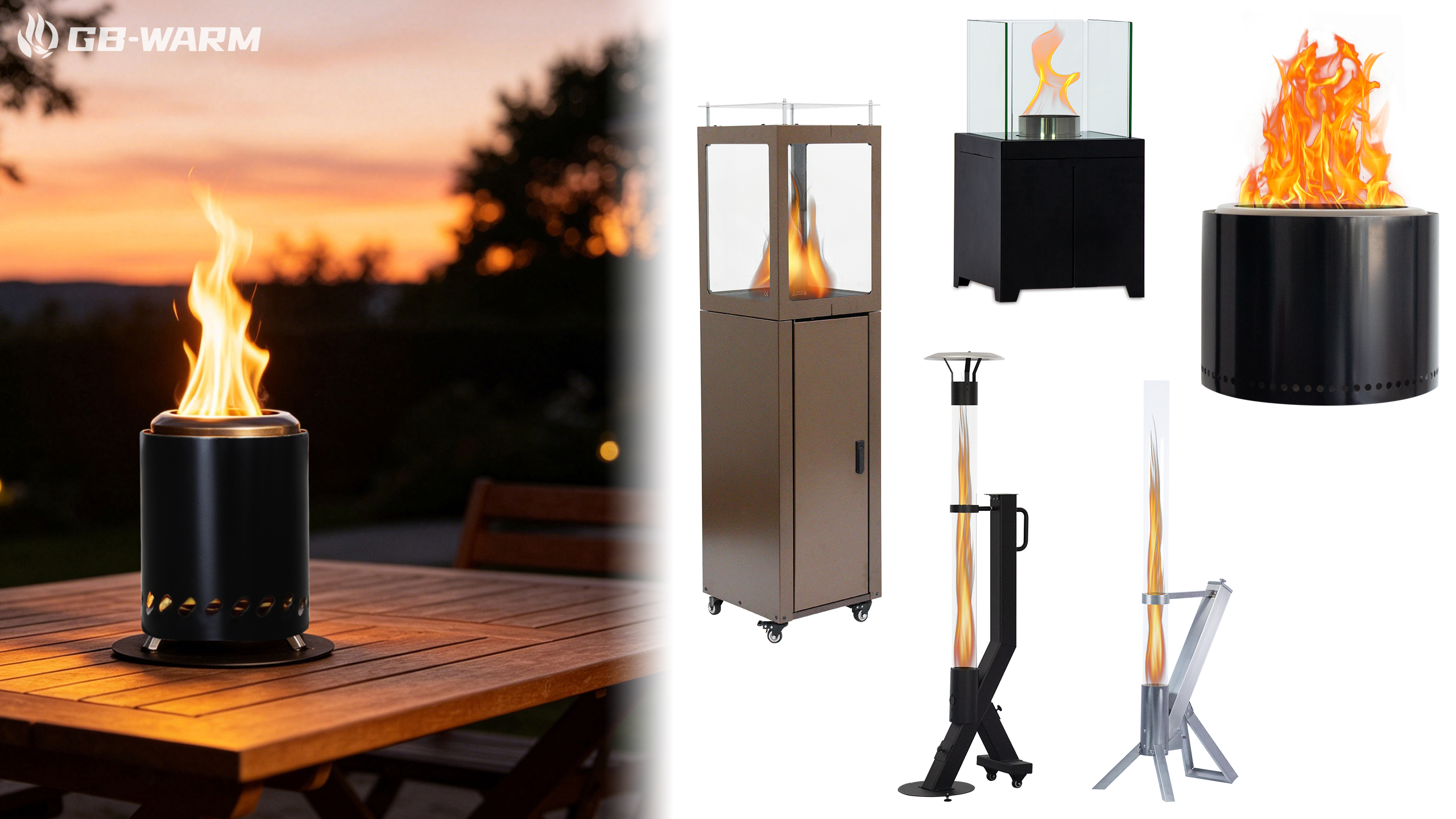
3. Biomass Heating Fits Growing European Sustainability Awareness
Sustainability is becoming an increasingly important consideration for European consumers and businesses.
Buyers are paying closer attention to energy sources, fuel efficiency, emissions, and the environmental characteristics of heating products.
Wood pellets are a form of biomass fuel and are already widely used for heating in many European markets.
This existing familiarity with pellet fuel provides a foundation for the growth of pellet-based outdoor heating.
However, European importers should not assume that a pellet heater automatically meets every sustainability or regulatory requirement.
Product design, combustion efficiency, emissions, fuel quality, and local regulations all need to be considered.
For B2B buyers, this makes the choice of manufacturer particularly important.
A professional manufacturer should be able to provide accurate product specifications and relevant technical documentation so that importers can evaluate the product for their target market.
4. Pellet Patio Heaters Can Open New Commercial Opportunities
For European distributors, a good product should have multiple potential customer groups.
Pellet patio heaters can serve both the B2B hospitality market and the premium residential market.
For example, a distributor could supply:
Restaurants and Cafés
Restaurants can use pellet heaters to make outdoor dining areas more comfortable during cooler periods.
Hotels and Resorts
Hotels can use outdoor heaters around terraces, gardens, poolside areas, lounges, and entertainment spaces.
Outdoor Furniture Retailers
Patio heaters can be sold alongside outdoor sofas, dining sets, fire pits, and other garden products.
Garden Centers
Garden centers can introduce pellet patio heaters as a premium seasonal outdoor-living product.
Hospitality Equipment Suppliers
Companies already supplying commercial furniture and equipment to restaurants and hotels can add pellet heating to their product portfolio.
E-commerce Retailers
Online retailers can use attractive product design and lifestyle applications to market pellet patio heaters to residential customers.
This range of applications can make pellet patio heaters an interesting product for European distributors looking to expand their outdoor living categories.
5. What European Importers Should Consider Before Buying Wholesale
Finding a competitive factory price is only one part of a successful import strategy.
European buyers should evaluate the complete purchasing equation.
Product Quality
The heater needs to be designed for reliable outdoor use, with appropriate materials and components.
For distributors, inconsistent quality can lead to customer complaints, warranty costs, and damage to brand reputation.
Heating Performance
Buyers should understand the heating area, heat output, pellet consumption, operating time, and other relevant performance specifications.
These details are important when selecting products for different applications.
Safety and Compliance
This is particularly important for European importers.
Before placing a bulk order, buyers should determine which EU and local requirements apply to the specific product and intended application.
The manufacturer should be able to provide the technical information and documentation required for the buyer's compliance assessment.
Packaging
Outdoor heaters are relatively large products, so packaging quality matters.
Good export packaging should protect the heater during long-distance transportation and reduce the risk of damage during sea or land freight.
MOQ and Production Capacity
Wholesale buyers should understand the manufacturer's minimum order quantity and monthly production capacity.
A supplier may offer an attractive price for a small initial order but struggle to support larger seasonal demand later.
For distributors, production capacity is therefore part of supplier evaluation.
6. OEM and Private Label Are Important for European Distributors
Many European importers do not want to sell a generic product under another company's brand.
They want to build their own market position.
This is where OEM and private-label manufacturing can become valuable.
A capable pellet patio heater manufacturer may support:
For an established distributor, private labeling can provide greater control over pricing, positioning, and customer relationships.
Instead of competing with identical products sold by multiple distributors, the buyer can develop a more distinctive product offering.
7. Why Choosing the Right Manufacturer Matters
For European buyers, the cheapest quotation is rarely the only factor that matters.
A successful B2B relationship depends on consistency.
Before selecting a pellet patio heater supplier, importers should consider:
Manufacturing experience: How long has the factory been producing outdoor heating products?
Export experience: Does the manufacturer understand international shipping and European market requirements?
Quality control: Are products inspected consistently before shipment?
Production capacity: Can the factory handle repeat orders during peak season?
Customization: Can the supplier support OEM and private-label requirements?
Communication: Can technical questions and production issues be handled efficiently?
After-sales support: Does the manufacturer provide useful support when distributors encounter customer issues?
These factors can have a much greater impact on long-term profitability than a small difference in unit price.
8. Wholesale Buyers Should Think About Total Cost, Not Just Factory Price
A common mistake in international sourcing is comparing suppliers based only on FOB or EXW price.
The real cost of a wholesale patio heater includes much more:
Product price + packaging + shipping + import costs + compliance costs + warehousing + warranty costs + after-sales support.
A heater that is slightly cheaper at the factory may become more expensive if it has higher damage rates, inconsistent quality, difficult assembly, or frequent warranty claims.
For this reason, European buyers should evaluate the total cost of ownership and total landed cost, rather than focusing exclusively on the initial quotation.
A reliable manufacturer can help reduce hidden costs and make wholesale purchasing more predictable.
9. Why Now May Be a Good Time to Enter the Market
The outdoor living trend, demand from hospitality businesses, interest in biomass heating, and the need to extend outdoor seasons are creating opportunities for pellet patio heater distributors.
At the same time, the category is still more specialized than conventional electric or gas patio heaters in many markets.
For wholesalers and importers, this can create an opportunity to establish a differentiated product position before the category becomes more crowded.
The key is not simply to find a supplier.
The goal is to find a long-term manufacturing partner capable of supporting product quality, compliance, customization, production capacity, and future product development.
China remains an important sourcing destination for outdoor heating products because of its mature manufacturing supply chain and OEM capabilities.
However, European buyers should conduct proper supplier evaluation before placing a bulk order.
Ask potential manufacturers:
How many years of experience do you have in pellet patio heater production?
Which European markets do you currently export to?
What certifications and technical documents can you provide?
What is your standard MOQ?
What is your production capacity?
Can you provide OEM and private-label services?
What is your standard lead time?
How do you control product quality before shipment?
What spare parts and after-sales support are available?
Can you provide samples before a bulk order?
The answers can quickly reveal whether a supplier is simply a trading company offering a product or a manufacturer capable of supporting a long-term B2B partnership.
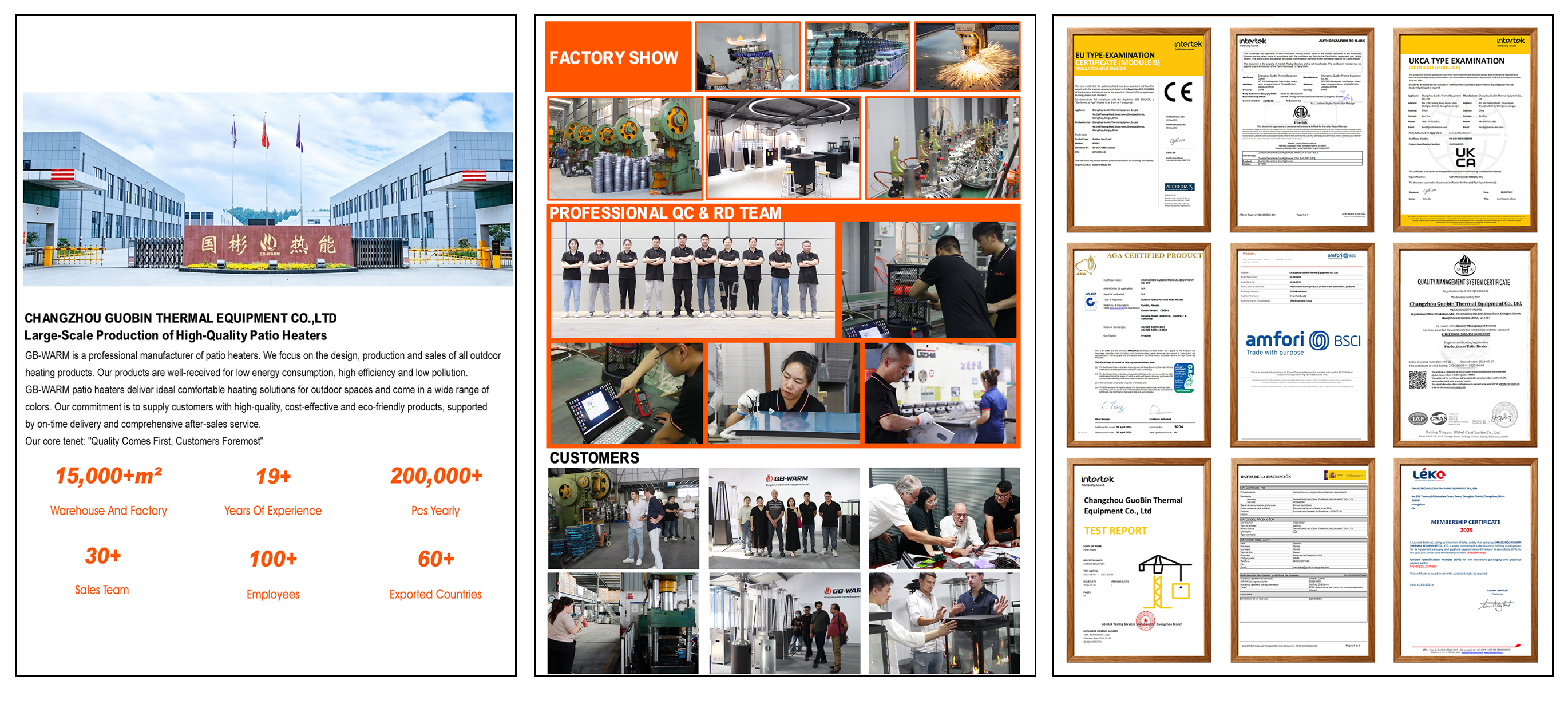
Conclusion: A Growing Opportunity for European Outdoor Heating Buyers
The growing demand for wholesale pellet patio heaters is closely connected to several major market trends: the expansion of outdoor living, the commercial value of restaurant terraces, growing interest in biomass heating, and demand for differentiated outdoor products.
For European wholesalers, importers, and distributors, pellet patio heaters can provide an opportunity to expand into a specialized outdoor heating category while serving both commercial and residential customers.
However, product selection is only the beginning.
The real competitive advantage comes from working with a manufacturer that can provide consistent quality, competitive pricing, OEM customization, reliable production capacity, appropriate technical documentation, and long-term export support.
For buyers considering pellet patio heaters for the European market, the right approach is to evaluate the complete supply chain—not simply the lowest factory quotation.
A reliable manufacturing partner can help turn a growing product category into a sustainable B2B business opportunity.
FAQ: Wholesale Pellet Patio Heaters for European Buyers
Are pellet patio heaters suitable for commercial use?
Yes. Pellet patio heaters can be used in applications such as restaurant terraces, cafés, hotels, resorts, outdoor bars, and other hospitality environments, subject to the applicable local requirements and product specifications.
Are pellet patio heaters suitable for European markets?
They can be, but buyers should evaluate the specific regulatory, safety, emissions, and installation requirements applicable in their target European country before importing.
Can European distributors order OEM pellet patio heaters?
Many manufacturers offer OEM and private-label services, including customized branding, packaging, colors, and product configurations. Buyers should confirm the available options and MOQ with the manufacturer.
What should I check before importing pellet patio heaters from China?
European buyers should evaluate product quality, heating performance, fuel consumption, safety, compliance documentation, MOQ, production capacity, packaging, lead time, spare parts, and after-sales support.
Why should wholesalers choose a specialized pellet patio heater manufacturer?
A specialized manufacturer can usually provide deeper product knowledge, more consistent quality control, better customization capabilities, and stronger technical support than a supplier that simply sources products from multiple factories.
Looking for a wholesale pellet patio heater manufacturer?
For European importers, wholesalers, and distributors, the best first step is to request product specifications, wholesale pricing, MOQ, OEM options, technical documentation, and samples from an experienced manufacturer before making a purchasing decision.

 Español
 English
 العربية
 Français
 Русский
 Português
 Deutsch
 italiano
 Nederlands
 Polski
 Türkçe
 日本語
日本語 한국어
한국어 ဗမာစာ
ဗမာစာ தமிழ்
தமிழ் Bahasa Indonesia
 Čeština
 қазақ
қазақ Српски
 فارسی
فارسی Slovenčina
 Slovenščina
 Norsk
Norsk Svenska
 Ελληνικά
 Suomi
Suomi Latine
 Dansk
Dansk Shqip
Shqip বাংলা
বাংলা Hrvatski
 Gaeilge
 Eesti keel
 සිංහල
සිංහල नेपाली
 Oʻzbekcha
 latviešu
 Български
 ქართული
 ગુજરાતી
 íslenska
 ಕನ್ನಡ
ಕನ್ನಡ Lietuvių
 Lëtzebuergesch
 മലയാളം
 Malti
Malti मराठी
मराठी ଓଡ଼ିଆ
ଓଡ଼ିଆ پښتو
پښتو ਪੰਜਾਬੀ
 తెలుగు
 isiZulu